
This year was my first real Chuseok experience since living in Busan.
I had, of course, seen it before — the busy streets, the long weekends, the news showing families on the move — but this time I was part of it. And I learned what it truly means when Korea slows down for a few days.Chuseok – When Korea Slows Down
At home, Nara my wife stood in the kitchen for two full days preparing food.
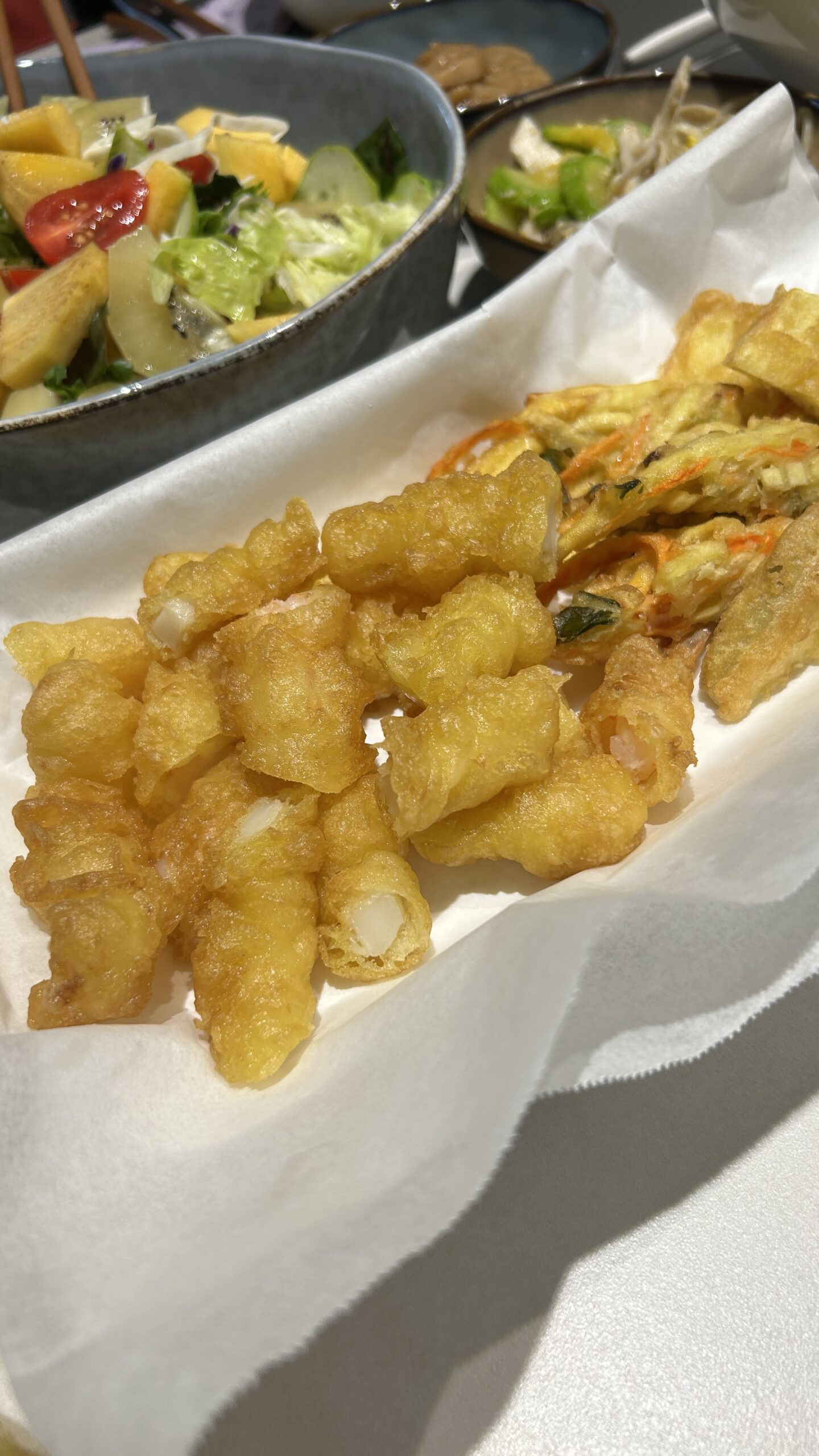
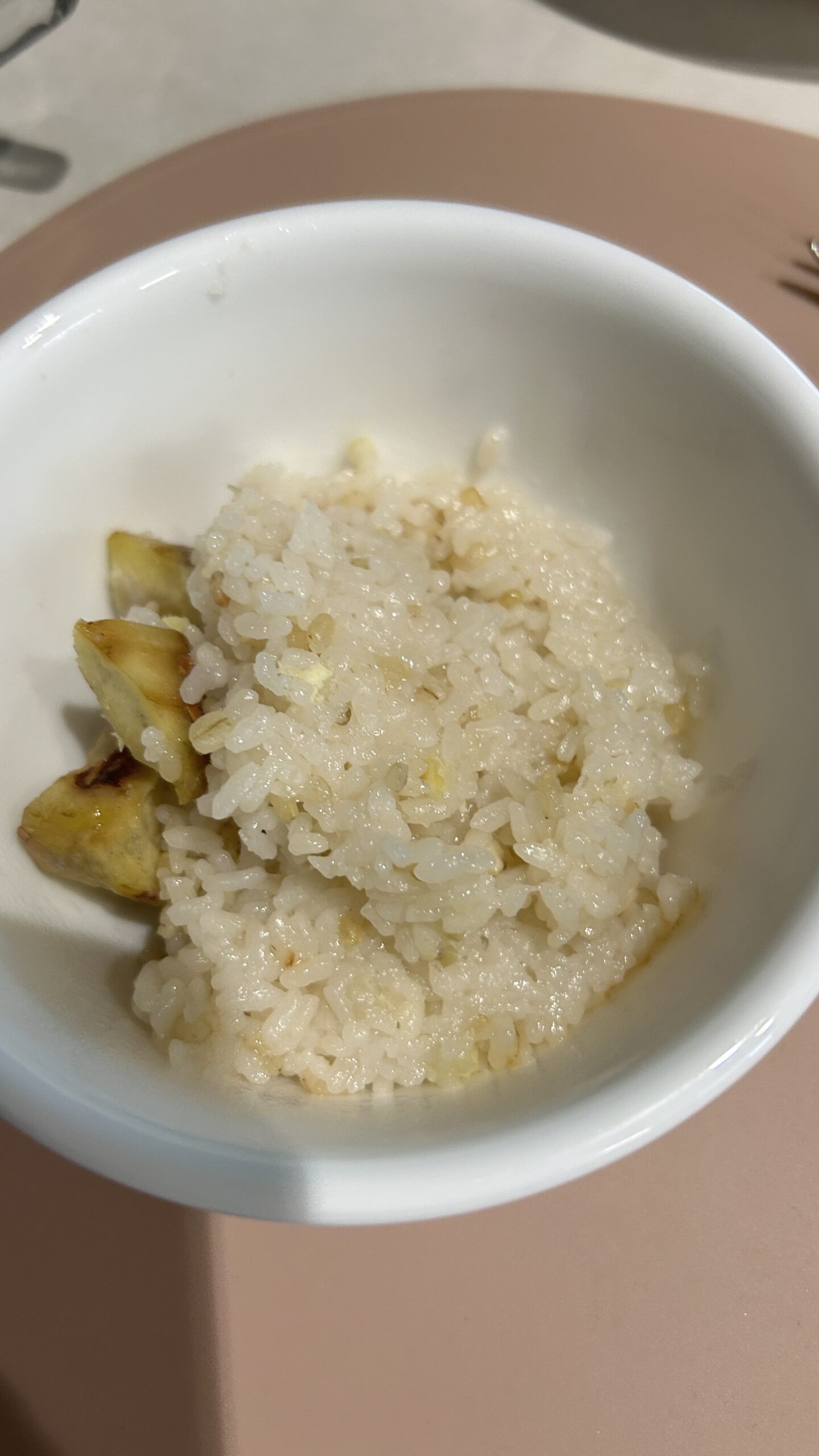
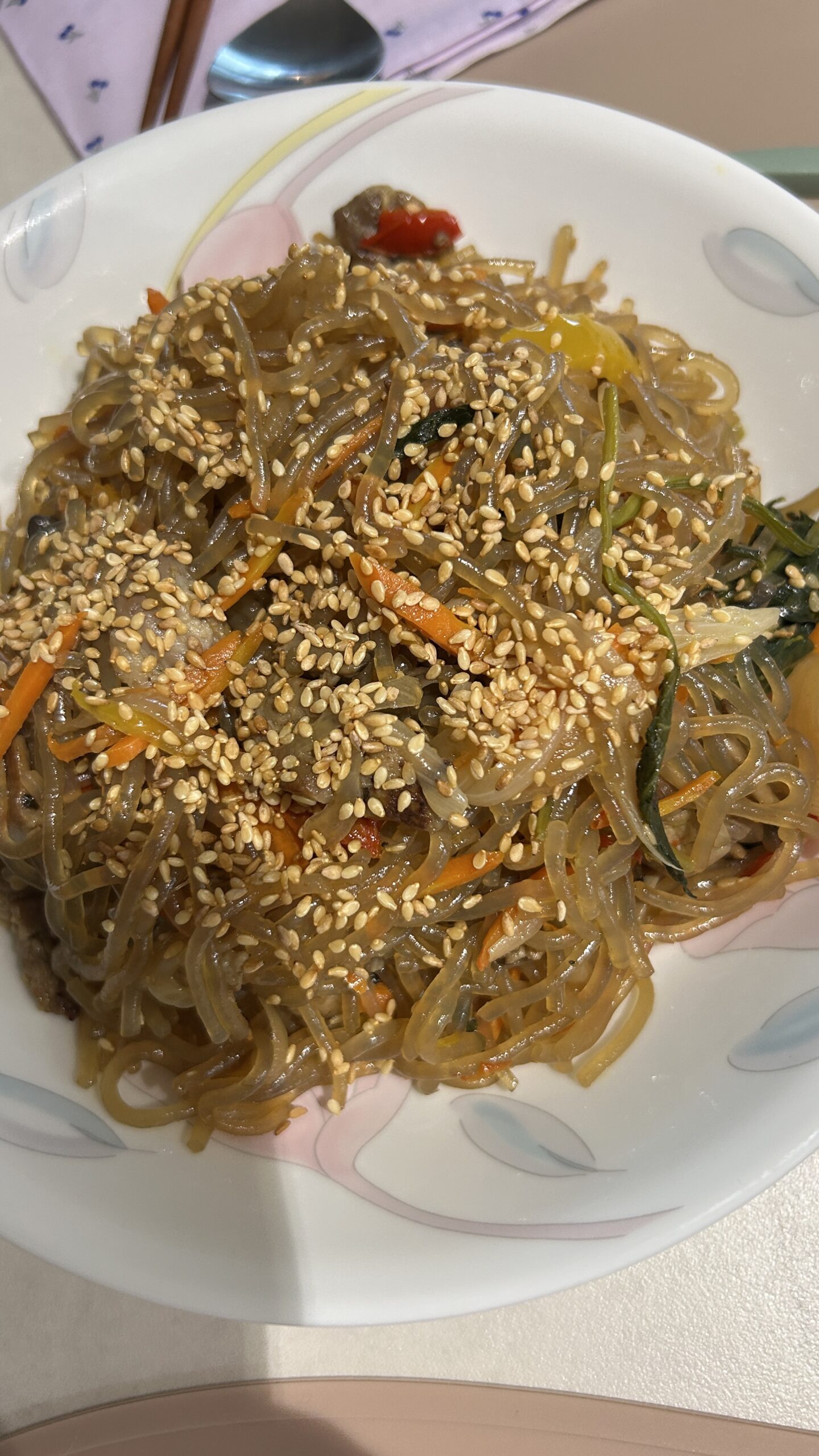
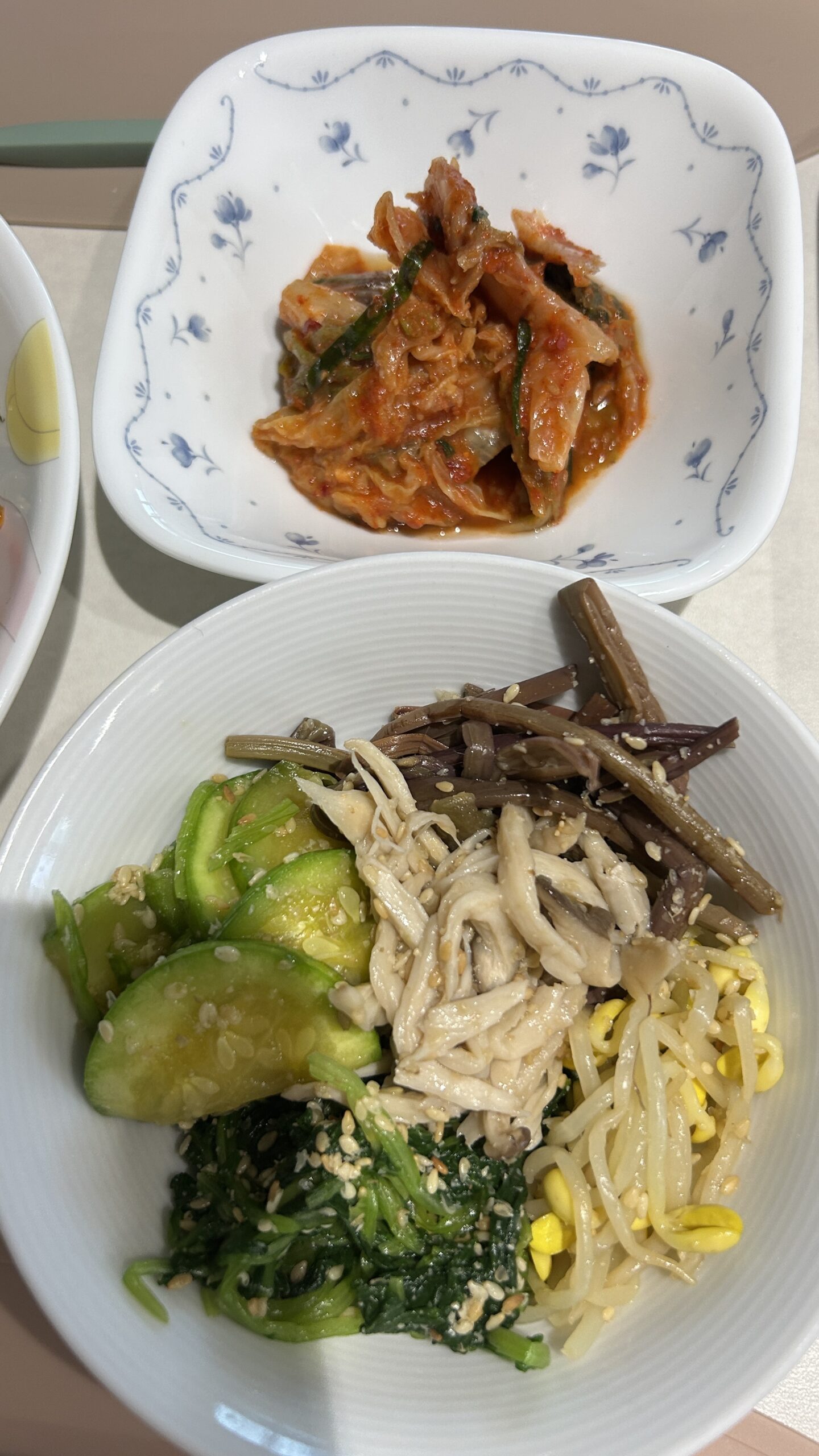
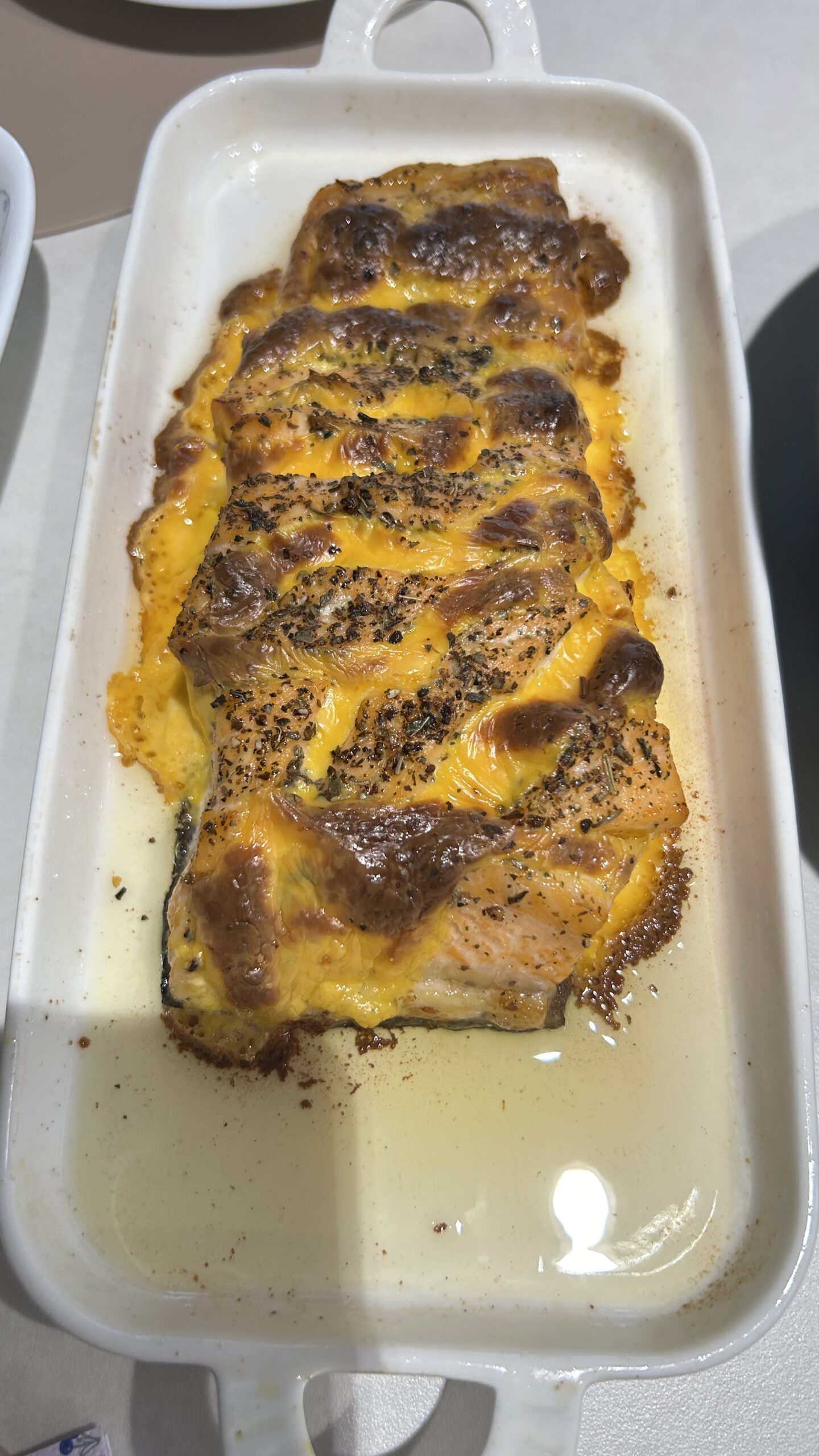
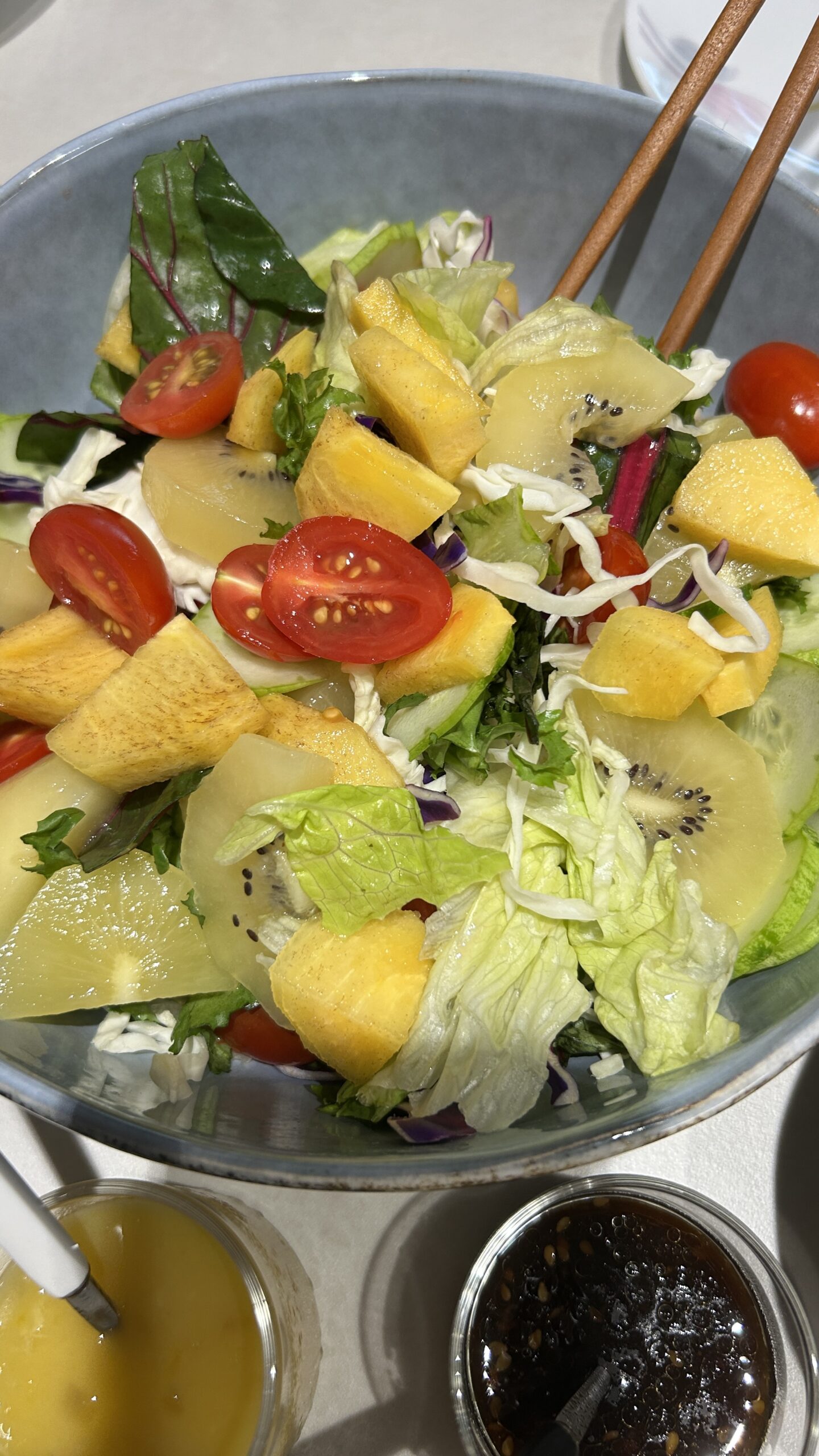
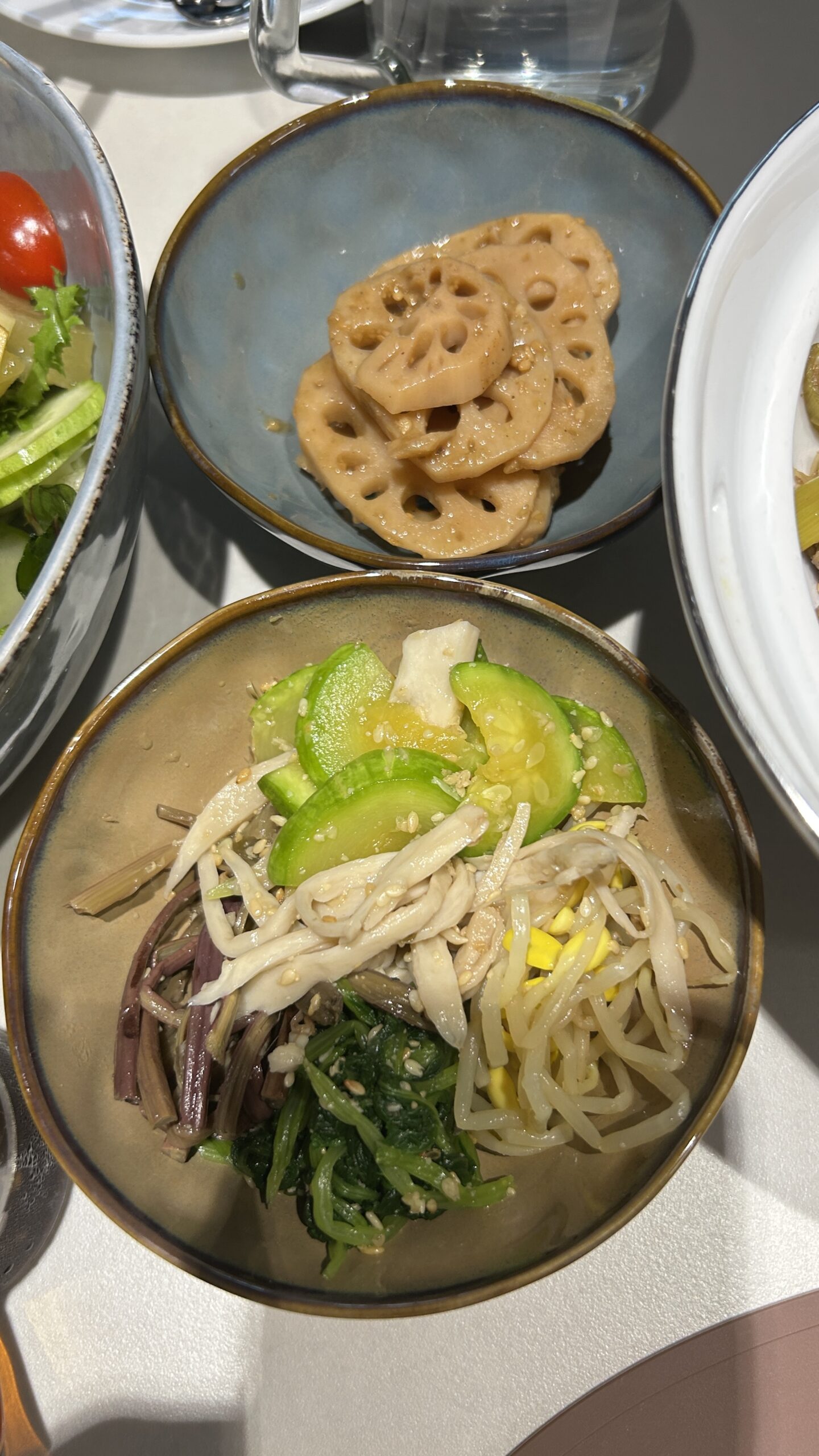
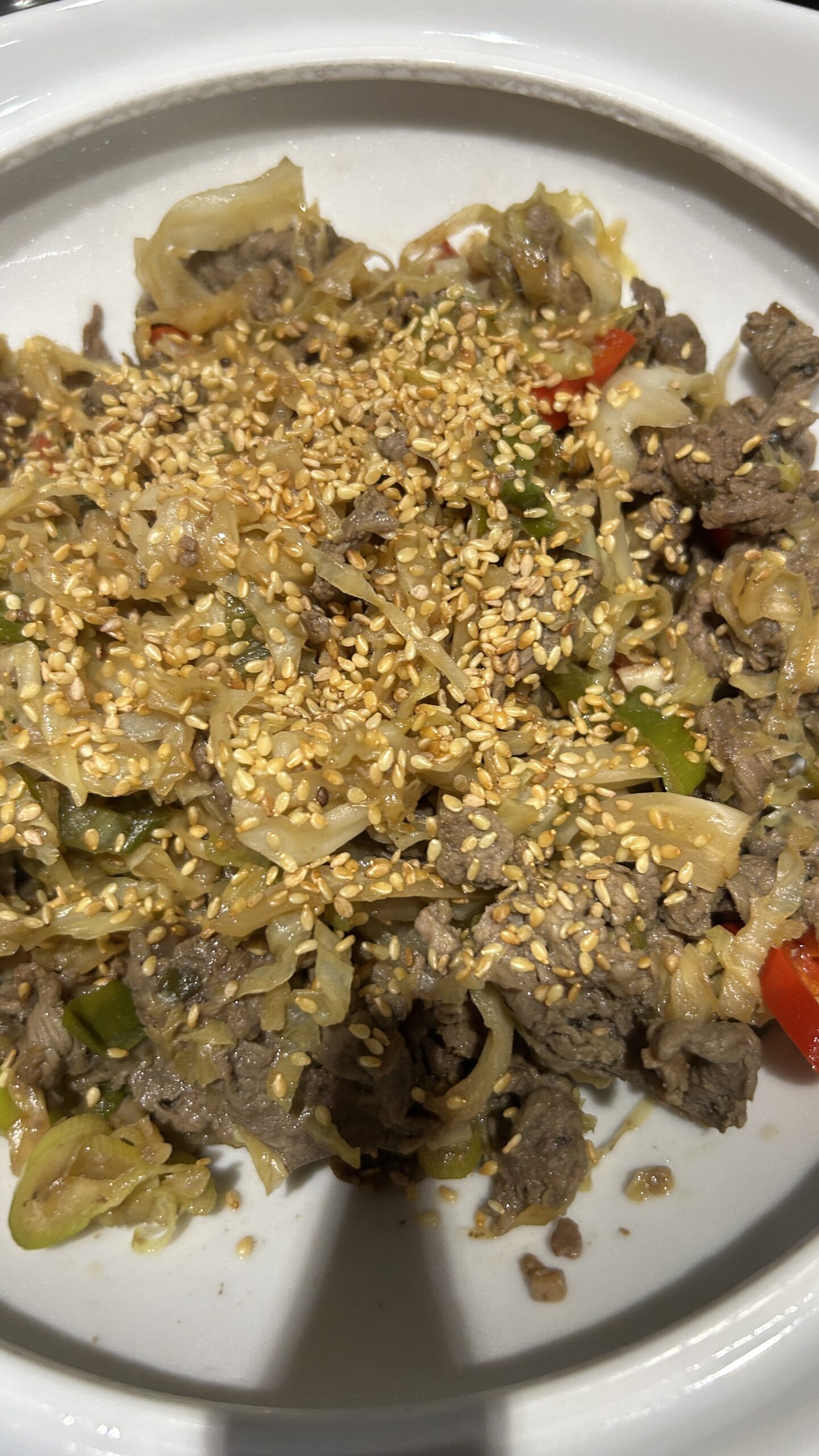
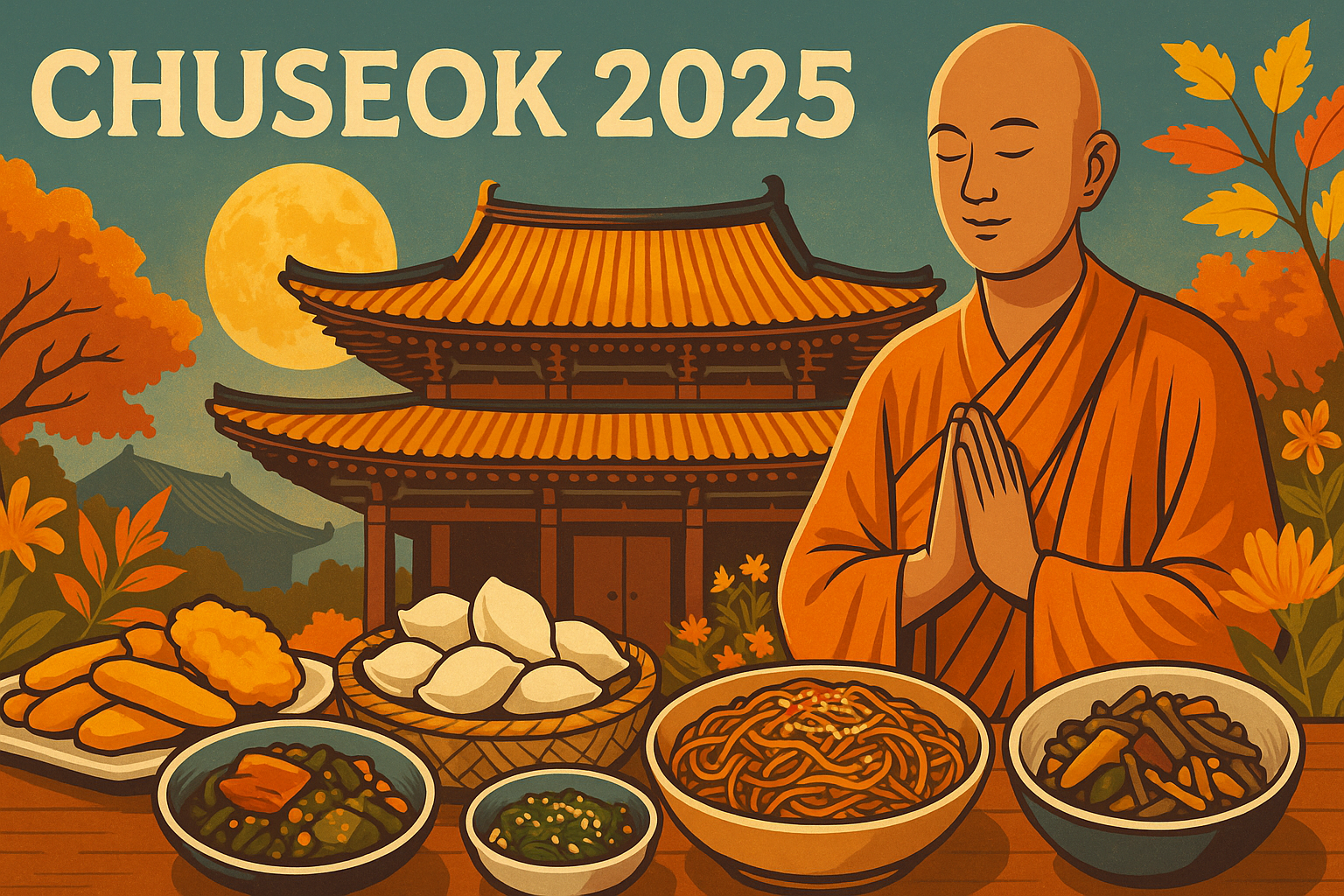
She cooked with patience and precision, and the result was a table full of colors and flavors: chapchae (glass noodles with vegetables and sesame), jeon (fried slices of vegetables and squid), lotus root glazed in soy and honey, baked salmon with cheese, chestnut rice, fresh salad with persimmons and kiwi, and all kinds of banchan — the small side dishes that make Korean meals so rich. It was a real feast, and seeing her work so hard made me admire her even more. The kitchen was warm, the table full, and the family happy.
Outside, life slowed down in a different way.
Traffic moved, but with long queues in places. Parking areas were packed. At every highway entrance, cars stood waiting to move toward hometowns. It’s the same scene every year: millions of people traveling across the country to visit family and pay respect to their ancestors.
And yes, it rained again — as if the weather knows it’s Chuseok. The temperature dropped from 27 to 21 degrees, and autumn seemed to begin that very moment.
Chuseok, Korea’s traditional harvest festival, goes back almost 2,000 years to the Silla Dynasty.
It began as a celebration of the harvest and as a moment to thank the moon for abundance. Families still prepare the charye table — an ancestral ritual where they offer the new rice, fruits, and dishes of the season.
Even if not everyone practices it anymore, the meaning remains the same: gratitude and family.
I visited Tondosa Temple during the holidays. It was full of people — many carrying rice or flowers for offerings. The air smelled of incense and rain, and the sound of chanting mixed with the wind through the trees. The first leaves had already turned red and yellow. It felt peaceful and grounded, a quiet moment in an otherwise restless world.
Because the world is restless.
While Korea was celebrating Chuseok, news came in about new escalations in Gaza, the ongoing war in Ukraine, and Western countries investing heavily in new defense systems. The global atmosphere feels tense and uncertain.
And yet here in Korea, people focused on family, food, and memory. It struck me how this simple tradition — cooking, visiting, sharing — offers a kind of calmness that many other societies seem to have lost. It doesn’t solve global problems, but it reminds us what still matters.
The culture of giving is another thing that makes Chuseok special.
I wasn’t surprised anymore, but I was still amazed by the scale.
Luxury fruit boxes wrapped like jewelry, high-end ginseng and health products, fine wines, pieces of clothing — and of course, the envelopes with money given and received with a small bow. It’s not about showing off; it’s about respect and care. In its own way, it keeps social ties alive.
As I write this, it’s still raining outside.
The air has cooled, the kitchen smells of sesame and soy, and the fridge is full of leftovers. Korea, for a few short days, has paused. Families have come together, memories have been made, and despite the noise of the world, there was peace at the table.
Maybe that’s the quiet power of Chuseok:
it doesn’t make the world less complicated, but it reminds us that even in difficult times, people can come home, share food, and be thankful for what they have.