

Memory, Cooperation, and Geopolitical Pressure
Today something caught my eye in Nopo, Busan: the huge flag was flying at half-mast. Just a week ago, all of Korea celebrated Liberation Day. And yet here the past still feels very present.
The Japanese annexation (1910–1945), cultural suppression, forced labor, and the fate of the comfort women — it isn’t just history, it’s collective pain.
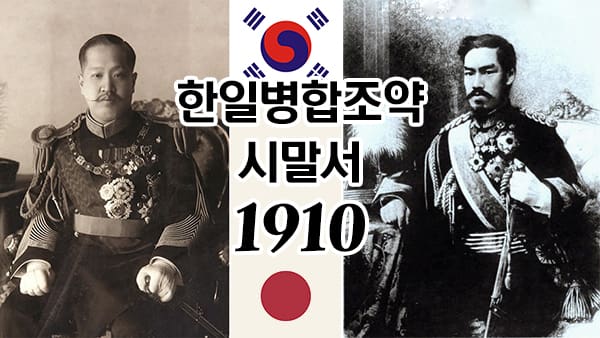
In Korea, a flag at half-mast isn’t some empty ritual. It’s a visible sign of respect, a quiet reminder that these traumas are not forgotten.
More Than History — A City of Trade
Busan is the lively gateway between Korea and Japan. The constant movement of ships and containers tells a story: despite everything done to each other, the two nations can’t live without one another.
Samsung, Sony, Hyundai, Toyota — they compete, yet they depend on each other’s markets.
A New Breeze in Diplomacy: President Lee Jae Myung
What I wrote earlier was outdated: Yoon is no longer in office. Since June 2025, Lee Jae Myung has been president of South Korea. He was elected after a period of political turmoil and promises to cool down the sharp polarization at home.
His first major overseas visit wasn’t to Washington or Beijing, but to Tokyo. There he sat down with Prime Minister Shigeru Ishiba to talk cooperation on security, economy, AI, and demographics. A historic move — showing how vital the Korea-Japan relationship is right now.
Geopolitical Pressures: North Korea, Russia, China, and Trump
The world around Korea and Japan has changed fundamentally in recent years:
- North Korea remains an unpredictable threat — nuclear tests, missile launches, cyberattacks.
- China and Russia are now more openly aligned with Pyongyang. Their leaders even stood beside Kim Jong Un in Beijing during a military parade — a clear signal to the West.
- The U.S. and Trump: protectionist tariffs and the threat of trade restrictions make Korea-Japan cooperation in tech (semiconductors, AI, defense industries) more urgent than ever.
The past explains a lot, but today’s reality forces Korea and Japan to be pragmatic. Standing together isn’t a luxury — it’s a necessity.
Experience it yourself
Busan is not just a city of memory, but also of daily reality. From the ferry terminal, you can reach Fukuoka in less than four hours. From there, Hiroshima, Nagasaki, even Fukushima are within reach. It’s literally a journey from past to future — from a city symbolizing Korean resilience to a country that was once occupier, now trade partner and sometimes rival.
Spotlight on Busan
And let’s be honest: Busan is much more than a transit point. It’s a city breathing between mountains and sea. From Jagalchi’s colorful fish markets and Haeundae’s beaches to the quiet temples of Geumjeongsan. Modern skyscrapers in Centum City stand right beside old neighborhoods full of tiny eateries serving the best makgeolli and fresh fish.
Busan is South Korea’s window to the world. Japan is just across the water, but anyone who lingers here discovers the city itself is a true destination. A place where past, present, and future all meet.