
Sometimes one summer is enough to give a student a full year’s head start.
For students – and for parents, deans, and study advisers who look beyond the obvious
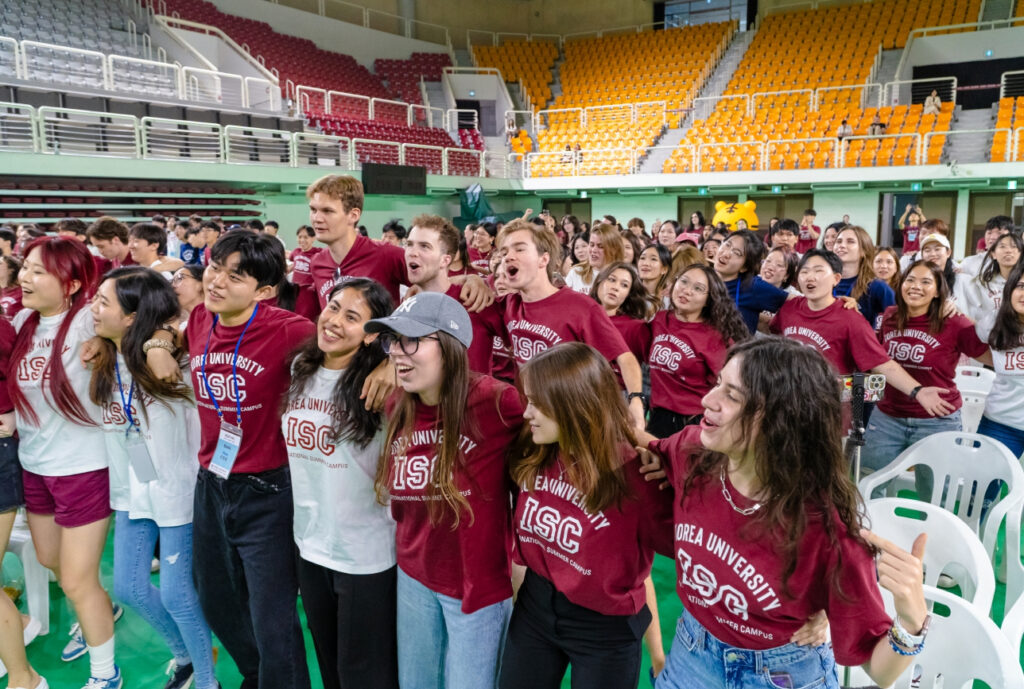
Imagine a student who, in just a few weeks, not only learns Korean but also gains confidence, independence, and a broader view of the world. That is exactly why summer language schools in South Korea are so appealing. This is not “a language course with a few excursions,” but a compact, serious, and exciting international experience.
For students, it feels adventurous: a new country, new friends, campus life.
For parents and study advisers, it feels reassuring: a clear structure, university-based education, fixed start and end dates, and an experience that genuinely adds value.
What is a summer language school in Korea?
A summer language school is a short, intensive Korean language program offered by universities. Classes take place on campus, usually in international groups and at multiple levels.
What you typically see:
- duration: 3 to 8 weeks
- classes: 4–5 days per week (often in the morning)
- focus: speaking, listening, reading, and writing
- levels: from beginner to advanced
- extras: cultural activities, buddy programs, or excursions (varies by university)
The strength lies in the balance: intensive enough to make real progress, but short enough to combine with travel or an orientation period.
Several universities – and that choice actually matters
In South Korea, multiple well-regarded universities offer summer language programs. Each city and campus has its own atmosphere. Broadly speaking, there are two “flavors”:
- Busan – coastal, accessible, slightly more relaxed, often more affordable
- Seoul – dynamic, highly international, full of big-city energy
A well-known example is Pusan Nationale Universiteit (PNU) in Busan: studying on a large campus, then heading into the city after class — or to the beach, nearby nature, or a day trip. Other universities place more emphasis on speaking skills, academic preparation, or international exposure.
👉 Because there are real differences, it makes sense not to choose automatically, but to compare one or two universities that truly fit the student.
Why this can be so valuable for students
What students often say afterward is not just: “I learned Korean.”
They also say: “I dare more. I can manage on my own. I made friends. I surprised myself.”
A summer language school helps students develop:
- independence and responsibility
- international experience (valuable for CVs and motivation letters)
- insight into whether a semester, gap year, or full degree in Korea might be right
- language skills that are hard to replicate at home
For students who are unsure about a longer stay abroad, this is an ideal test run.
What parents and study advisers tend to appreciate
From a parental or advisory perspective, the strengths are clear:
- manageable duration and clear planning
- serious academic setting (university-based)
- safe and well-organized environment
- tangible learning outcomes (language + personal growth)
And quite often, this turns out to be exactly the push a student needs — not because they are forced, but because they experience that internationalization can be practical and realistic.
Combining the program with a homestay and/or travel
One major advantage is flexibility.
Homestay
Many students choose to live with a Korean host family. This makes the language “real-life” and adds structure. For parents, this is often reassuring. Not every university arranges homestays directly, but they are usually easy to organize alongside the program.
Short travel period
Before, during (weekends), or after the course, students often travel within Korea. Seoul, Busan, Gyeongju, Jeju — all are easily accessible. Learning naturally blends into experience.
What does it cost? (realistic indication)
Exact costs depend on the university, duration, and accommodation type, but the following gives a reliable overall picture.
Indicative costs (per student)
Language program (3–6 weeks)
- €1,200 – €2,000 (tuition + registration)
Accommodation
- student housing: €400 – €800
- homestay (often incl. meals): €700 – €1,200
Living expenses
- €300 – €500 (food, transport, daily costs)
Flight (return Europe–Korea)
- €700 – €1,000 (season-dependent)
Total indication
Approximately €2,800 – €4,500
(for course + accommodation + daily living; excluding extra travel after the course)
Many students add 1–2 weeks of travel afterward. This increases the budget slightly but greatly enriches the experience.
When should preparation start?
It is early January — which means this is exactly the right moment.
Practical timeline:
- January–February: orientation and program comparison
- February–March: applications (places are limited)
- March–April: accommodation/homestay + travel planning
- June–August: summer program in Korea
Many deadlines fall in March or April.
Waiting until May often means fewer options — or missing out entirely.
Why an orientation consultation helps
Because universities, start dates, costs, and accommodation options differ, it is natural for students and parents to want clarity first. That is what a free orientation consultation is for.
We help with:
- comparing one or two suitable universities
- creating a realistic plan (course + housing + travel)
- clear insight into deadlines and next steps
- practical and strategic questions
Free orientation consultation
Would you like to know what is realistically possible for a student this summer? A free orientation consultation provides concrete options, clear timing, and — most importantly — calm and direction.
👉 Sometimes one summer is enough to give a student a full year’s head start.